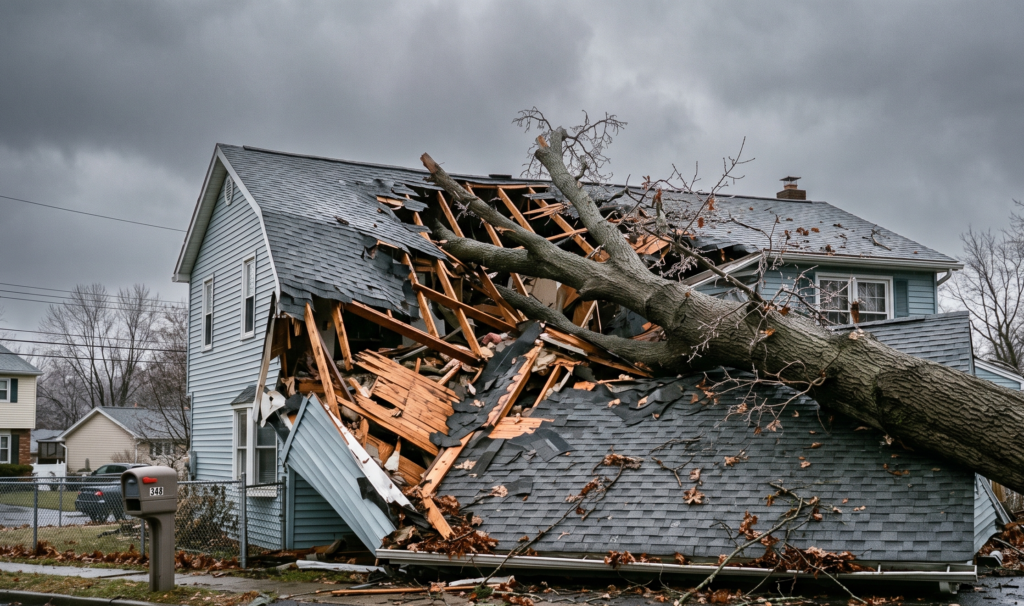
Severe lake-effect winds, heavy spring nor’easters, and sudden Upstate New York ice storms can bring down a multi-ton oak, maple, or willow in seconds. If you woke up to the sound of timber crashing onto your property, your primary concern after confirming your family’s safety is: Does homeowners insurance cover tree removal after a storm in NY?
The direct answer is yes, but strictly under defined circumstances. In New York State, standard homeowners policies (including HO-3, HO-5, and DP-3 forms regulated by the New York Department of Financial Services) pay for tree removal only if the tree damaged an insured, covered structure—such as your primary dwelling roof, attached garage, detached workshop, perimeter fence, or deck—or if it physically blocks an active driveway or handicap access ramp. If a healthy tree falls onto an open lawn without damaging an insured structure, the homeowner must pay for cutting and disposal out-of-pocket.
Navigating adjusters, out-of-pocket deductibles, and neighbor property boundary conflicts after a storm requires careful documentation. Below is the complete legal, financial, and operational guide for property owners across Greece, Rochester, and Monroe County, NY.
Frequently Asked Questions
Question: What is the fundamental requirement for tree removal coverage under NY insurance?
Answer: Direct physical contact and resulting damage to an insured structure (such as a house, shed, or fence) or the physical obstruction of a residential driveway or accessibility ramp. Open yard falls are excluded.
Question: Does my insurance company evaluate what kind of storm felled the tree?
Answer: Yes. The storm must constitute an insured peril—such as gale-force winds, lake-effect snow loads, freezing rain accumulation, or direct lightning strikes.
Question: Does the size of the tree dictate whether insurance pays for its removal?
Answer: No. Insurance carriers determine coverage based exclusively on what the tree hit, not its diameter, height, or timber value.
The Core Rule: What Triggers Tree Removal Coverage in New York?
Property casualty insurance in New York is built around two core concepts: covered perils and covered structures. Policies do not cover the standing tree as an asset; they protect insured structural real estate against sudden, accidental loss.
The decision-making process functions across two clear paths:
- Pathway 1: The tree lands exclusively on open yard or lawn turf. If there is no structural damage to buildings, fences, or carports, and the main driveway remains open, insurance pays $0. The property owner pays all cutting, chipping, and hauling costs.
- Pathway 2: The tree strikes an insured structure or blocks required access. If the tree penetrates roof decking, collapses a garage, breaks a fence, or blocks vehicular driveway access, insurance activates. It covers structural restoration under Dwelling Coverage and removal under Debris Removal provisions (subject to specific dollar sub-limits).
1. The Peril Must Be Sudden and Accidental
Under NY DFS regulations, the damage must stem directly from an unpreventable, sudden incident:
- Lake Ontario Windstorms & Microbursts: Severe straight-line winds and sustained gales common along the Monroe County shoreline.
- Ice and Wet Lake-Effect Snow Accumulation: Extreme weight loading that fractures primary scaffold limbs or uproots saturated root plates.
- Direct Lightning Strikes: Instantaneous explosive expansion that shatters trunks or drops heavy canopy boughs directly onto structures.
If a tree fails due to internal rot, insect infestation (such as the Emerald Ash Borer or spongy moth larvae), fungal decay, or visible dead wood left unaddressed, adjusters will deny the claim under the standard wear, tear, and neglect exclusion.
2. The Tree Must Impact a Covered Structure
Standard New York policies divide real property into distinct coverage categories:
- Dwelling (Coverage A): The primary residential footprint, attached garage, and permanently installed fixtures.
- Other Structures (Coverage B): Detached garages, gazebos, garden sheds, perimeter fences, and in-ground pool enclosures.
- Driveway & Egress Obstruction: When a tree blocks your primary driveway, preventing access to the public street, or blocks an exterior ramp designed for wheelchair access, insurers will approve limited debris removal even if no building was struck.
Frequently Asked Questions
Question: If a fallen tree blocks my driveway, will insurance clear it even if my home is untouched?
Answer: Yes, in most standard New York HO-3 policies. Coverage is typically provided up to the policy’s debris removal sub-limit (generally $500 to $1,000) to restore vehicular access to the public roadway.
Question: How does an insurance adjuster prove a tree fell due to homeowner neglect?
Answer: Adjusters inspect the cross-section of the failure point for signs of pre-existing decay, including soft rot, bracket fungi, hollowed trunks, and historical dieback that indicate the homeowner should have addressed the hazard prior to the storm.
Question: Are detached fences covered under the same limits as the primary house?
Answer: No. Fences fall under Coverage B (Other Structures), which typically caps total payout at 10% of your primary dwelling limit, subject to your policy deductible.
When Homeowners Insurance Does NOT Pay for Tree Removal
Many property owners are surprised when an insurance adjuster denies a multi-thousand-dollar tree removal invoice. In New York, carriers deny coverage in several predictable scenarios:
Scenario A: The Tree Falls Harmlessly Across the Lawn
If a mature silver maple falls across your backyard, gouging the turf but missing your house, your shed, your fence, and your neighbor’s property, homeowners insurance will pay nothing. Without direct structural damage, the tree is classified as yard waste, making removal an out-of-pocket maintenance expense.
Scenario B: Pre-Existing Disease, Rot, and Deferred Maintenance
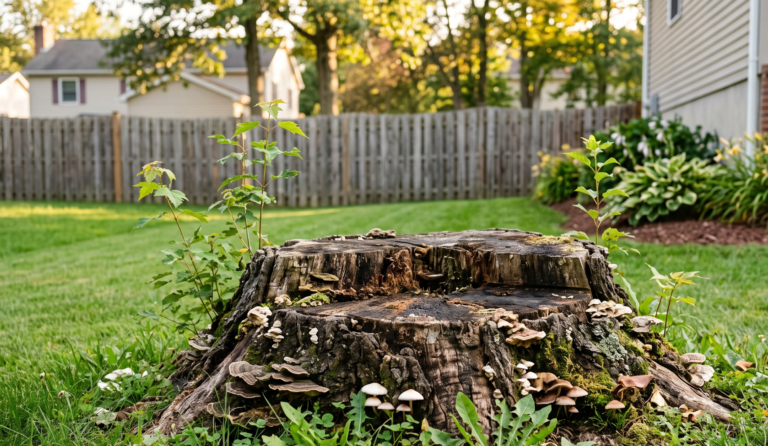
New York property law requires homeowners to maintain safe premises. If your tree displayed obvious signs of terminal structural decline—such as large dead limbs, mushroom clusters at the base, or severe trunk cavities—an insurer will determine that the tree failed due to maintenance neglect rather than the storm. The insurer can deny both structural repairs and tree removal costs on these grounds.
Scenario C: Minor Cosmetic Landscape Damage
If falling timber damages decorative shrubs, perennial beds, or small landscape saplings, insurance provides little to no relief. While some policies include limited landscape endorsements (often capped at $500 per plant), they exclude the cost of bringing in cranes, bucket trucks, and commercial wood chippers to remove the downed tree.
Frequently Asked Questions
Question: Does homeowners insurance pay to regrade lawn ruts caused by heavy tree equipment?
Answer: No. Ground damage, soil displacement, and lawn damage caused by storm cleanup equipment are excluded from standard property policies.
Question: Can I dispute an insurance denial if the adjuster claims my healthy tree was rotten?
Answer: Yes. You can hire an independent, ISA-certified arborist to conduct an assessment of the wood fibers, cellular integrity, and root plate to prove that the failure resulted from extreme wind loads rather than decay.
Question: Are commercial properties or rental units subject to these same tree removal exclusions?
Answer: Yes. Commercial and landlord policies (such as DP-3 forms) apply similar criteria requiring direct damage to a covered structure before clearing debris removal funds.
Coverage Limits, Caps, and Policy Deductibles Explained
Understanding how an insurance company calculates tree claims helps prevent unexpected out-of-pocket costs. Tree removal is treated separately from the structural carpentry repairs required to fix your home.
Tree Debris Removal Endorsement Sub-Limits ($500 to $1,000)
Even if a tree crashes through your roof rafters, your insurance company will not pay an unlimited amount for tree cutting and hauling. Standard New York policies include an internal cap under the Tree Debris Removal Endorsement:
- $500 to $1,000 per individual tree.
- $1,000 to $2,000 maximum per storm event, regardless of how many trees fell on the property.
Real-World Case Study: Greece, NY Ice Storm
A severe winter storm strikes a residence near Ridge Road in Greece, dropping a 70-foot red oak onto the roof:
- Cost to lift, crane, and remove the tree from the roof structure: $3,500
- Cost to frame, sheet, and shingle the damaged roof section: $7,800
- Total combined property loss: $11,300
- Policy deductible paid by homeowner: $1,000
- Carrier payout for structural roof repair: $7,800
- Carrier payout for tree debris removal (capped sub-limit): $1,000
- Remaining balance for crane extraction and timber disposal: $2,500
- Total out-of-pocket cost for homeowner: $3,500 ($1,000 deductible + $2,500 debris overage)
Strategic Deductible Analysis
Before filing a claim, evaluate your out-of-pocket deductible against your total cleanup costs:
- If an uprooted limb damages an isolated chain-link fence panel, resulting in an estimated $1,100 for removal and repair, and your deductible is $1,000, filing a claim yields only $100 in benefits.
- That claim is recorded in the industry-wide Comprehensive Loss Underwriting Exchange (C.L.U.E.) database, which can increase your annual premiums for three to five years.
- Rule of Thumb: Pay out-of-pocket unless the combined structural damage and crane work exceeds your deductible by at least $1,500 to $2,000.
Windstorm vs. Standard Deductibles in Upstate NY
Check your policy’s declarations page carefully. While coastal New York properties face mandatory 2% to 5% hurricane deductibles, some upstate and Lake Ontario properties have separate percentage-based windstorm/hail deductibles. Confirm whether your storm damage falls under your standard flat deductible (e.g., $1,000) or an elevated percentage deductible.
Frequently Asked Questions
Question: Why does my insurance policy separate tree removal costs from roof framing repairs?
Answer: Building repairs fall under Coverage A (Dwelling), which covers the full replacement cost of your home. Debris removal is an ancillary endorsement designed to prevent excessive cleanup costs on basic timber.
Question: Can my tree removal sub-limit be increased with an insurance rider?
Answer: Yes. Many New York property owners add an inexpensive endorsement that raises tree debris removal limits from $1,000 to $5,000 or $10,000 per occurrence.
Question: What happens if my deductible is larger than the total tree damage?
Answer: Your insurance company pays nothing, and you are entirely responsible for the balance. Avoid filing zero-payout claims to keep your insurance loss history clean.
Detailed New York Tree Coverage Scenarios
Every storm damage situation involves different variables. Below is how New York insurance adjusters evaluate common property claims:
Situation 1: A sound, healthy tree snaps in high winds and lands squarely on your roof.
Structural Coverage: Yes, fully covered under primary dwelling limits, minus your deductible.
Tree Removal Coverage: Yes, covered up to the policy’s sub-limit ($500 to $1,000).
Financial Breakdown: Your insurer pays for structural roof repairs. The homeowner covers their deductible plus any tree removal costs beyond the sub-limit.
Situation 2: A healthy tree falls onto an open lawn during a severe windstorm.
Structural Coverage: Not applicable (no structural damage occurred).
Tree Removal Coverage: Excluded under standard policies.
Financial Breakdown: The homeowner pays 100% of the cutting, chipping, and stump removal costs.
Situation 3: A fallen tree completely blocks your residential driveway.
Structural Coverage: Not applicable unless the driveway surface itself was crushed or damaged.
Tree Removal Coverage: Covered up to the sub-limit ($500 to $1,000) to clear vehicular access.
Financial Breakdown: The insurer covers the initial cut-and-clear to restore access; the homeowner pays any disposal overages.
Situation 4: A healthy tree from your neighbor’s yard falls onto your house.
Structural Coverage: Yes, filed through and paid by your own insurance company.
Tree Removal Coverage: Covered up to your policy’s debris removal sub-limit.
Financial Breakdown: Handled through your own policy. Your neighbor has no legal liability under New York’s “Act of God” rule.
Situation 5: A dead, rotting tree from your neighbor’s yard crushes your garage.
Structural Coverage: Covered by your policy initially.
Tree Removal Coverage: Covered by your policy, subject to your sub-limits.
Financial Breakdown: Your insurer pays for immediate repairs, then pursues subrogation against your neighbor’s insurer to recover costs, including your deductible.
Situation 6: Your healthy tree topples onto your neighbor’s storage shed.
Structural Coverage: Your insurance policy will not pay for damage to a neighbor’s property.
Tree Removal Coverage: Not covered by your policy.
Financial Breakdown: Your neighbor must file a claim with their own insurer. You have no legal liability unless prior negligence is proven.
Frequently Asked Questions
Question: If a tree falls across the boundary line between two properties, who pays for removal?
Answer: Under New York property law, responsibility is split at the boundary line. Each owner is responsible for the section of the tree resting on their respective side of the property line.
Question: Does my homeowners insurance cover a fallen tree that crushes my car in the driveway?
Answer: No. Damage to motor vehicles is covered under the Comprehensive (Other-Than-Collision) portion of your auto insurance policy, not your homeowners policy.
Question: What if a municipal street tree falls onto my private property?
Answer: You must file the claim through your own homeowners insurance first. The municipality (such as the Town of Greece or City of Rochester) is generally immune from liability under “Act of God” rules unless you can prove they had prior written notice of the hazardous tree and failed to act.
The Neighbor Dilemma: New York Law, Boundary Lines, and Subrogation
Cross-property tree damage is a common source of neighborhood disputes after severe storms in Monroe County.
1. New York Common Law: The “Act of God” Doctrine
Under New York law, when a healthy tree falls due to an unexpected weather event, the incident is classified as an act of God.
Even if the root ball grew entirely on your parcel, you are not legally liable for damage caused to your neighbor’s real estate. Your neighbor must submit the claim to their own insurance carrier. Their insurer will pay for their structural repairs and the debris removal on their side of the property line.
2. The Negligence Exception: Notice and Duty of Care
A tree owner is liable for damage to a neighboring property only when they had actual or constructive notice of the tree’s hazardous, decayed condition and failed to remediate it within a reasonable timeframe.
To establish liability against a neighbor in New York:
- Observable Hazard: The tree displayed clear, visible decay, major dead scaffold branches, or an unstable, shifting lean.
- Documented Notice: The affected neighbor sent a certified letter (with return receipt) detailing the specific structural hazard, ideally supported by photos or an arborist assessment.
- Failure to Act: The tree owner failed to take corrective action within a reasonable timeframe.
When these conditions are met, your insurance company will pay for your repairs and then pursue subrogation against the neighbor’s liability coverage to recover all paid benefits and reimburse your deductible.
Frequently Asked Questions
Question: Can I prune my neighbor’s overhanging tree branches before a storm hits?
Answer: Under New York common law, you have the legal right to trim branches that extend across your property line, but only up to the exact boundary. You cannot trespass onto their land or trim the tree in a way that destabilizes or kills it.
Question: What should I do if my neighbor refuses to address a hazardous, dead tree near our property line?
Answer: Hire an ISA-certified arborist to assess the tree from your property. Send the written evaluation along with photos to your neighbor via certified mail. This establishes legal notice, removing their “Act of God” defense if the tree falls during a storm.
Question: If my neighbor’s fallen tree doesn’t hit a structure on my property, who pays to remove it from my lawn?
Answer: You are responsible for clearing the debris on your side of the property line, and your neighbor is responsible for their side. Because no structure was damaged, neither insurance policy will cover the cleanup.
Action Plan: Steps to Take Immediately After Storm Tree Damage
Following a clear, step-by-step process helps keep your family safe and protects your insurance claim.
1. Confirm Life Safety and Maintain Distance
- Downed Electrical Lines: Treat all downed lines as energized and dangerous. Maintain a minimum distance of 30 feet and contact your local utility provider (such as Rochester Gas & Electric) immediately.
- Structural Integrity: If a heavy trunk has penetrated your roof framing or cracked ceiling joists, evacuate the impacted area immediately. Weakened structural framing can collapse hours after the initial impact.
2. Document the Scene Before Cleanup Begins
Insurance adjusters base settlements on clear visual evidence. Before cutting any branches or moving debris:
- Take wide-angle and close-up photos and video from multiple angles.
- Photograph the root plate, trunk break points, structural impact areas, and any damaged personal property.
- Capture clear photos showing green foliage or sound wood to disprove any allegations of pre-existing decay.
3. Mitigate Secondary Damage
Under New York insurance policies, homeowners have a legal duty to prevent further loss:
- If your roof has been punctured, install heavy tarps over the exposed opening once weather conditions are safe.
- Board up broken windows and seal cracked entryways.
- Retain all receipts: Materials, tarping supplies, and emergency structural stabilization services are reimbursable under your policy’s “reasonable repairs” clause.
4. Hire a Fully Insured, Local Professional Tree Service
Never attempt hazardous DIY chainsaw work on storm-tangled, tensioned timber. Fallen trees carry extreme torsional loads, and an improper cut can cause a trunk to kick back or roll dangerously.
- Verify that your tree service carries both General Liability Insurance (minimum $1,000,000 to $2,000,000) and Statutory New York Workers’ Compensation Insurance.
- Request an itemized estimate separating crane-assisted structural extraction from ground chipping, hauling, and stump grinding.
Frequently Asked Questions
Question: Can I start cutting a tree off my house before the adjuster inspects the property?
Answer: You can perform necessary work to stabilize the structure and prevent water intrusion. Fully document the scene with photos and video first, and keep all cut timber on-site for the adjuster’s inspection.
Question: Will my insurance company pay for emergency tarping?
Answer: Yes. Emergency weatherproofing and structural tarping are covered under the “reasonable and necessary repairs” provision to prevent further interior water damage.
Question: What should I do if a tree falls on my home in the middle of the night?
Answer: Confirm your family’s safety, evacuate if the structure is compromised, call 911 if power lines are involved, and contact an emergency tree service with 24/7 crane dispatch capabilities.
Working with an Arborist to Maximize Your Insurance Payout
How your tree service structures their invoice often determines whether your insurance claim is approved or reduced. Adjusters handle high claim volumes after a major storm and look for clear, itemized documentation.
Invoice Structure: Approved vs. Rejected Formats
- The Ineffective Invoice Approach: Submitting a general line item such as “Storm tree removal: $4,800” typically leads to reduced payouts. The adjuster will apply your strict $500 or $1,000 debris removal sub-limit to the entire bill, leaving you responsible for the rest.
- The Itemized Approach: A professional tree service breaks down the invoice into distinct operational scopes:
- Line Item 1: Emergency Structural Extraction & Crane Rigging: Labor, crane support, and rigging used to lift the trunk off the roof framing without causing further damage ($3,100). Billed under Dwelling Coverage (Coverage A) as structural mitigation, avoiding the debris sub-limit.
- Line Item 2: Timber Processing & Debris Hauling: Chipping branches and hauling wood away ($900). Billed under the policy’s Tree Debris Removal Endorsement.
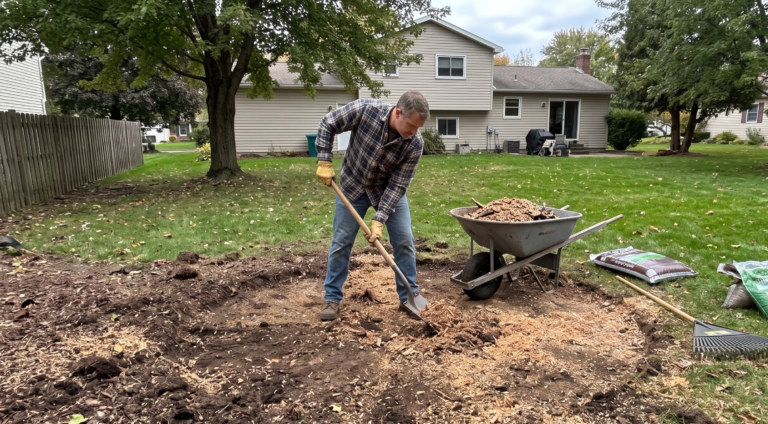
- Line Item 3: Stump Grinding & Site Remediation: Below-grade stump grinding ($800). Billed separately to the homeowner as non-covered cosmetic work.
By separating emergency extraction from routine debris disposal, your tree service helps ensure your insurance company pays the maximum allowable amount under your policy terms.
Frequently Asked Questions
Question: Will the insurance company pay my tree contractor directly?
Answer: Typically, the insurer issues a settlement check payable to you (and your mortgage company), and you pay the contractor. Some companies accept an “Assignment of Benefits” or “Direction of Payment” to bill the insurer directly.
Question: Why do insurance adjusters separate “crane extraction” from “hauling”?
Answer: Lifting a tree off a roof protects the building from further structural failure, which qualifies under Coverage A (Dwelling). Hauling the wood away is classified as debris disposal, which is subject to smaller sub-limits.
Question: What credentials should I look for in an emergency tree service?
Answer: Look for an ISA (International Society of Arboriculture). Certified arborist with commercial crane experience, specialized rigging gear, and verified NY workers’ compensation and general liability coverage.
Proactive Tree Care: Protecting Your Property and Lowering Claim Risk
Preventative maintenance is the most reliable way to avoid severe storm damage and insurance disputes. Upstate New York’s weather—lake-effect snow loads followed by seasonal windstorms—puts constant stress on mature trees.
Early Warning Signs of Structural Instability
Inspect your trees twice a year—especially ahead of winter—for these key warning signs:
- Co-Dominant Stems with Included Bark: Narrow, V-shaped trunk unions lack strong interlocking wood fibers and can easily split under heavy ice or wind loads.
- Basal Fungi & Bracket Mushrooms: Fungal fruiting bodies (conks) at the trunk base or root flare indicate internal wood decay.
- Heaved Soil and Root Plate Movement: Cracked, lifted soil on the side opposite a tree’s lean indicates the root system is losing its anchor.
- Crown Dieback and Canopy Gaps: Dead branch tips in the upper canopy indicate root distress, disease, or internal rot, creating hazardous dead wood during storms.
Monroe County / Greece, NY Environmental Factors
Properties bordering Lake Ontario, Long Pond, Cranberry Pond, or Braddock Bay sit directly in open wind corridors. Fast-growing, soft-wooded species such as silver maples, boxelders, and willows are especially vulnerable. Scheduling regular canopy thinning and deadwood removal with an arborist reduces wind resistance, allowing heavy gusts to pass through the crown rather than uprooting the tree.
Frequently Asked Questions
Question: Does professional tree trimming create a helpful record for insurance claims?
Answer: Yes. Invoices from a certified arborist establish a clear record of preventative maintenance, disproving claims of neglect if an extreme storm brings down a tree.
Question: Which trees are most likely to fail during an Upstate NY ice storm?
Answer: Silver maples, willows, poplars, and compromised green or white ash trees (due to Emerald Ash Borer damage) have brittle wood that breaks easily under heavy ice.
Question: How often should mature trees near my house be inspected?
Answer: Have trees within striking distance of your roof, driveway, or power lines inspected by an ISA-certified arborist every two to three years.
Emergency Tree Removal Near Me: Rapid Storm Response in Monroe County
When an 80-foot tree falls onto your roof, power line, or driveway, you need immediate, reliable help. Searching for emergency tree service near me connects you with local crews who can respond quickly to secure your home and prevent further damage.
Immediate Service Radius Across Monroe County
Our storm damage response teams operate from central Greece and NY, providing 24/7 priority emergency response to:
- Greece & Lake Ontario Shoreline: Ridge Road, Dewey Avenue, Long Pond Road, Latta Road, Janes Road, Edgemere Drive, and the Lake Ontario State Parkway corridor (Zip codes: 14612, 14616, 14626).
- Western Monroe County Suburbs: Hilton (14468), Spencerport (14559), Gates (14606, 14624), and Parma.
- Rochester Metro & Irondequoit Bay: Irondequoit (14617, 14622), Charlotte, Webster, Brighton, and Rochester.
Why Choosing a Local Service Matters for Insurance Claims
Under New York insurance policies, you have an obligation to take reasonable steps to prevent further damage. Waiting for out-of-area contractors increases the risk of water damage, roof leaks, or structural movement. Choosing a nearby emergency tree service offers clear benefits:
- Fast Heavy Equipment Mobilization: Rapid dispatch of cranes and bucket trucks to lift trees off roof structures.
- Immediate Roof Tarping: Protecting your home’s interior to prevent secondary water and mold damage claims.
- Familiarity with Local Adjusters: Extensive experience working with regional insurance adjusters throughout Monroe County.
Frequently Asked Questions
Question: How fast can your emergency tree crew arrive after a storm in Greece, NY?
Answer: Priority dispatch teams typically arrive within 60 to 90 minutes in Greece and nearby Monroe County communities to stabilize damaged trees and seal structural openings.
Question: Do emergency tree removal services cost more than scheduled work?
Answer: Yes, after-hours emergency crane work carries higher rates due to the immediate mobilization of crews and equipment. However, these stabilization costs are generally covered under your policy’s reasonable emergency repairs clause.
Question: Can Greece Tree Service bill my insurance company directly?
Answer: Yes, we work directly with major insurance carriers and provide the itemized documentation adjusters need to process claims efficiently.
Frequently Asked Questions
Will homeowners insurance cover stump grinding after a storm?
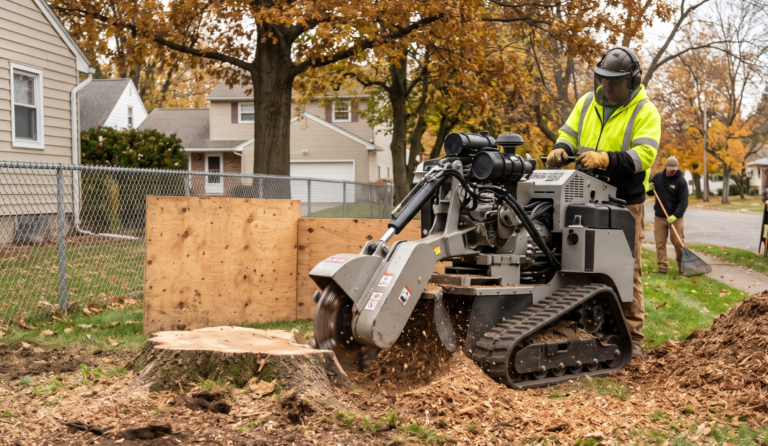
Almost never. Insurance is designed to address immediate structural hazards and restore basic property access. Grinding a below-grade stump is considered cosmetic landscaping. Unless the stump is tangled in a damaged foundation or septic line, grinding is an out-of-pocket cost.
Can my insurance company drop my policy after I file a tree claim?
Under New York Department of Financial Services regulations, insurers cannot cancel an active policy solely for filing a single weather-related claim. However, if your property has other visible hazard trees that you refuse to maintain, your insurer may choose not to renew your policy or require an arborist inspection as a condition of continued coverage.
What if a municipal street tree falls on my private property?
If a tree in a town or city falls onto your house, your own homeowners policy handles the damage initially under standard “Act of God” rules. To hold a municipality (such as the Town of Greece or City of Rochester) legally responsible, you must prove they had prior written notice of the dead tree and failed to address it within a reasonable period.
Does insurance pay for a crane if one is needed for tree extraction?
Yes. If an arborist needs a crane to safely lift a heavy trunk off a damaged roof truss without causing further structural damage, those costs fall under emergency structural mitigation. This work is covered under your primary dwelling limits rather than the smaller debris removal sub-limit.
Local Emergency Tree Removal Services: Greece Tree Service
When severe weather impacts your property, fast, professional action is critical. The team at Greece Tree Service works directly with homeowners and insurance adjusters throughout Greece, Rochester, and Monroe County.
We are fully licensed and insured, equipped with specialized emergency cranes and rigging systems, and experienced in providing the detailed documentation required for insurance claims.